
Key Takeaways
- Hot dog rollers can cook sausages, taquitos, egg rolls, breakfast burritos, and select vegetables — not just hot dogs.
- Even cooking depends heavily on avoiding overcrowding and using the right temperature setting for each food.
- Pre-cooked and frozen foods like taquitos and egg rolls crisp up quickly and evenly on the rollers.
- Always verify the internal temperature of any meat with a food thermometer before serving.
- Regular cleaning after each use keeps the machine in good condition and prevents flavor buildup.
You already own one of the most underused appliances in your kitchen, and chances are it only comes out for hot dogs. That’s a lot of untapped potential sitting on your counter, especially when you’re trying to feed a crowd or pull together a quick weeknight meal without much effort. Turns out, a well-built hot dog roller with solid temperature control can handle a lot more than you’d expect.
The good news is that most of what works on a roller is already in your kitchen or freezer, and the results are better than you’d get from a standard pan or oven — here’s exactly what’s worth trying.
Why Your Hot Dog Roller Can Handle More Than You Think
The roller rotates food over heated rods, exposing every surface to consistent heat without requiring flipping. The same mechanism that keeps hot dogs evenly browned also makes other cylindrical or rollable foods work just as well. Because the heat wraps around the food rather than coming from one direction, you get results that are harder to replicate on a flat pan or standard grill.
What matters most is shape and density — foods that are round, compact, and about the size of a standard hot dog tend to perform well, while flat or irregularly shaped items need more attention during cooking.
Sausages and Meats Worth Trying on the Roller
Sausages are the most obvious step beyond hot dogs, and nearly every variety handles the roller well. What makes them such a reliable choice is that their shape and density are close enough to a hot dog that the machine doesn’t need any adjustments—you just swap one for the other and let it run.
Bratwurst and Italian Sausage
These two are the most popular upgrades beyond a standard hot dog, and both feature a deeply browned, slightly crisp casing that’s hard to replicate in a flat pan. Because they run thicker than most hot dogs, a light fork-pierce before cooking lets steam escape and prevents the casing from splitting under heat. Give them a few extra minutes compared to a standard hot dog, and check the internal temperature before serving.
Kielbasa and Smoked Sausage
Since these are already fully cooked, the roller’s job is really just to heat them through and build some color on the outside — which it does quickly and evenly. The result is a warmed, lightly crisped link that takes very little time and almost no effort to pull off.
Chorizo Links and Breakfast Sausage
Chorizo links release their natural oils as they cook, which means the exterior develops a deep, rich color with a slightly caramelized finish. Breakfast sausage links are smaller and thinner, so they heat through faster than most other options on this list and work especially well when you need something quick in the morning without pulling out a pan.
For raw sausages specifically, temperature control matters more than it does with pre-cooked options. Using a food thermometer to confirm safe internal temperatures before serving isn’t optional — it’s the step that separates a great result from a food safety problem.
Snack Foods That Come Out Crispy and Ready Fast
Pre-cooked and frozen snack foods are where the roller really proves its everyday value, because the rotating heat reaches food from all sides at once rather than from a single direction like an oven. The outcome is a crispier exterior and a more evenly warmed interior, without the wait.
Taquitos and Flautas
These are one of the best-kept secrets for roller cooking — the dry, even heat crisps the tortilla shell beautifully while warming the filling all the way through. A medium heat setting for roughly 10 to 15 minutes is usually enough, though thicker flautas may need a couple of extra minutes to finish properly.
Egg Rolls
Egg rolls heat evenly on the roller and develop a satisfying outer crunch, though their shape doesn’t always roll freely on its own. An occasional manual turn halfway through cooking keeps all sides exposed to the heat and prevents one side from sitting flat against the rods for too long.
Mini Corn Dogs
Mini corn dogs are a natural fit for the roller given their shape, and they come out golden and heated all the way through without much effort. They’re particularly useful at events or parties where you need something crowd-friendly that can stay warm on the roller between servings.
Breakfast Burritos
Breakfast burritos work better on the roller than most people expect, as long as you roll them tightly before placing them on the rods so they hold their shape during cooking. The exterior toasts to a light, even crunch while the inside stays warm and intact, which is a better result than reheating them in a microwave.
Vegetables That Actually Work on a Roller
Vegetables are a less obvious choice, but a few of them hold up well when prepared correctly. The key is choosing varieties that can handle sustained dry heat without falling apart, and giving them enough time to cook through, since most take longer than meat.
Baby Carrots
Baby carrots are firm enough to sit on the rollers without breaking down, but their density means they need more time than anything else on this list. A short microwave pre-cook before they go on the roller brings them closer to done and reduces the time they need on the machine, which prevents the outside from drying out before the center softens.
Asparagus
Thin asparagus spears sit naturally across the rods and develop a slightly charred, smoky flavor that works well with just salt, pepper, and a little oil. Thicker spears take longer and may not cook as evenly, so thinner stalks give you a more reliable result with less monitoring involved.
Sliced Plantains
Sliced plantains, particularly when cut lengthwise, caramelize slowly on the roller and develop a sweet, lightly crisped exterior that makes them a solid side dish alongside grilled meats. A light coat of oil before placing them on the roller helps encourage even browning and prevents them from sticking to the rods during cooking.
How to Run a Roller Station at a Party or Event
Setting up the roller as a self-serve station is one of the easiest ways to feed a crowd without being stuck behind the grill all night. Preheat the machine for several minutes before adding any food, since a cold roller leads to uneven cooking and longer wait times across the board. From there, the key is loading it correctly — overcrowding prevents free rotation and leaves flat, undercooked sides on items that need full heat exposure to finish properly.
When cooking multiple food types for a larger group, batch them by cooking time so everything finishes together rather than staggering across a long window. Laying out toppings and condiments alongside the roller turns it into an interactive station, which works especially well when you’re running a mix of hot dogs, sausages, and taquitos simultaneously.
Mistakes That Quietly Ruin Your Results
Most roller problems trace back to two habits: skipping the preheat and overcrowding the rods. Skipping the preheat means food starts cooking on a surface that hasn’t reached temperature yet, which draws out the process and produces uneven browning. Overcrowding is subtler but just as damaging — when items can’t rotate freely, they develop flat sides that never brown, and the overall cook becomes inconsistent.
Temperature settings deserve more attention than most people give them, particularly when switching between food types. Delicate items like taquitos and wraps do best at moderate heat that crisps the outside without scorching, while thicker sausages and raw meats need a higher, sustained temperature to cook through safely. Matching the setting to the food is one small adjustment that consistently improves results.
Keeping Your Roller Clean and Working Well
Simple post-use cleaning routine:
- Unplug the machine and let it cool completely before touching any part of it
- Remove the rollers and drip trays, then wash them with warm, soapy water and dry thoroughly
- Wipe down the base and surrounding surfaces with a damp cloth after each use
- Use a baking soda and water paste for stubborn residue, and avoid abrasive scrubbers that damage the roller surface
Beyond the cleaning steps, where and how you store the roller matters more than most people realize. Keeping it in a dry location after cleaning prevents moisture buildup on the heating elements, which extends the machine’s lifespan without requiring any extra effort on your part.
Getting the Most Out of Every Cook
A hot dog roller handles far more than its name implies, and the gap between average and great results usually comes down to temperature control, proper loading, and consistent cleaning. Whether you’re using it for a quick weeknight dinner or running a full event station, the machine rewards a little extra attention with noticeably better food.
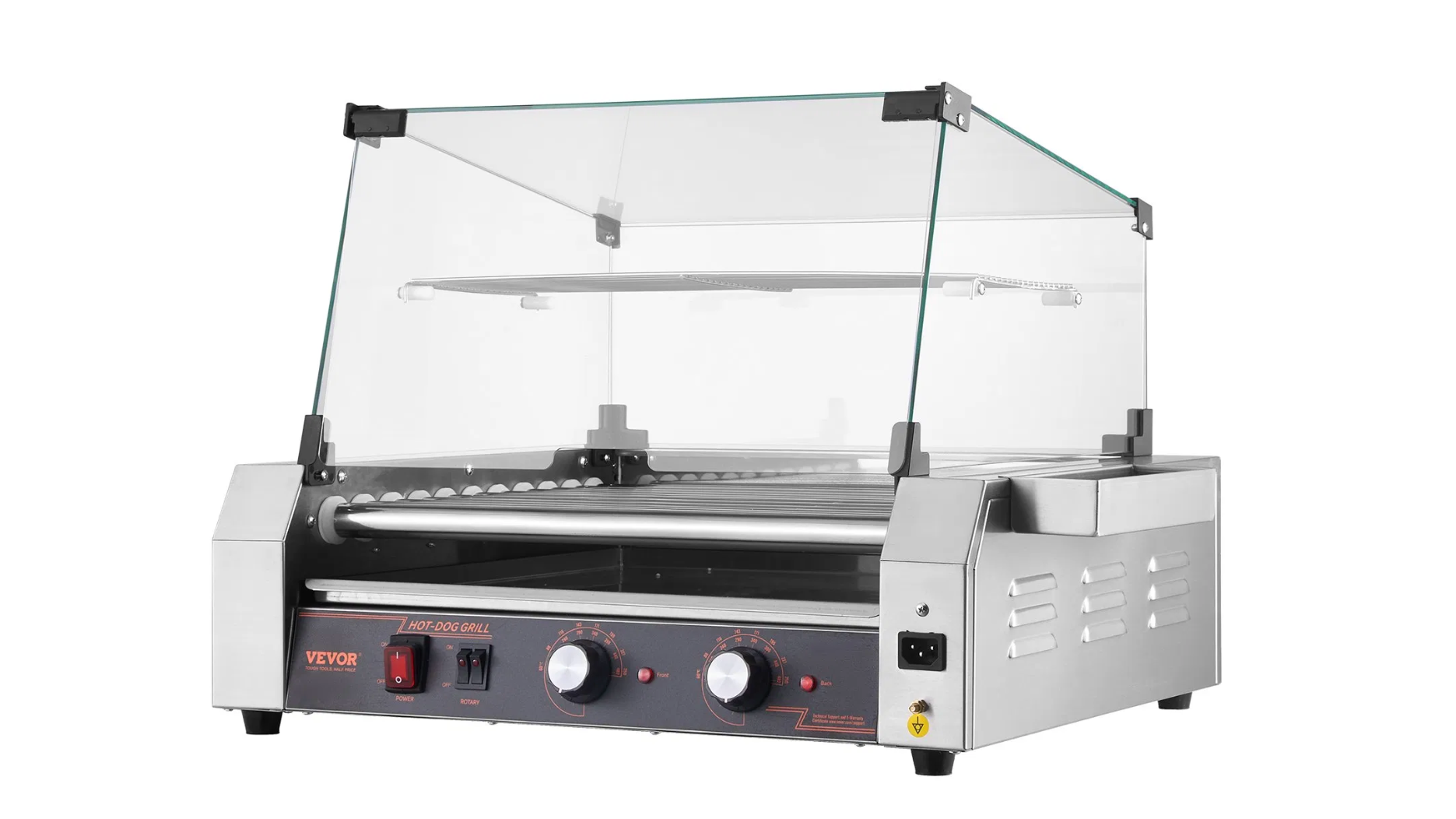
For home cooks and event hosts who want that extra range, a roller built with independent temperature zones and enough capacity for larger batches gives you the flexibility to cook different foods at the same time without compromising on either.
Rainbowbestdeal
PO BOX 15537
Arlington
Virginia
22215
United States
