
Local Company Addresses Why Winter Water Pooling Happens and How Systems Approach Solves It
Sarasota, United States – February 18, 2026 / GreenTech Landscape Management /
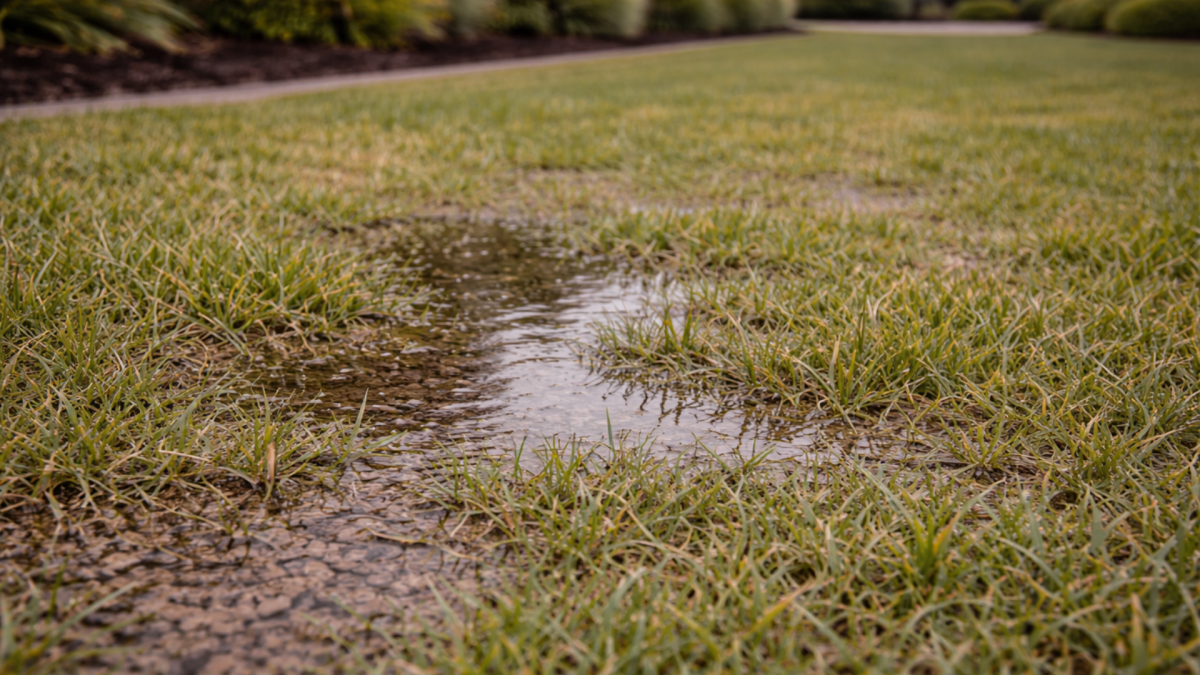
Why Late Winter Flooding Continues to Affect Coastal Properties
Properties throughout Sarasota County frequently experience standing water during late winter months, particularly in February when rainfall patterns shift and water tables remain elevated from earlier storm systems. GreenTech Landscape Management has published an informational article examining why flooding returns to the same locations year after year and how integrated landscape management addresses root causes rather than symptoms.
The article targets homeowners, estate managers, and property managers in Sarasota, Longboat Key, Siesta Key, and surrounding Gulf Coast communities who want to understand why isolated drainage fixes often fail to solve chronic flooding issues. Unlike promotional content focused on selling services, this piece provides practical education about how water, soil, and irrigation systems interact across coastal landscapes.
The Seasonal Pattern Behind February Flooding
Late winter creates specific hydrological conditions that reveal weaknesses in how landscapes manage water. Water tables along the Gulf Coast remain elevated from January storm systems while sandy soils become saturated more easily as the water table rises closer to the surface. Properties in low-lying areas from Lakewood Ranch through Siesta Key face additional pressure from tidal influence. During king tide periods in late winter, groundwater pressure increases from below while rain falls from above.
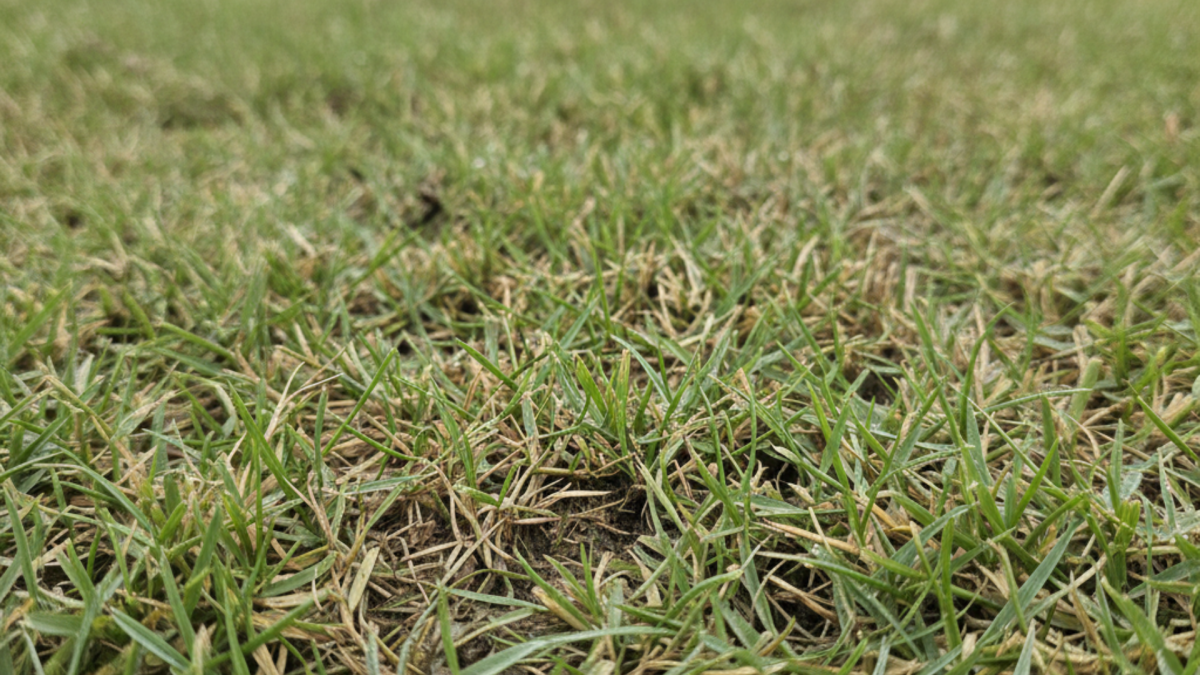
Many established landscapes have developed soil compaction over years of routine maintenance. Foot traffic and equipment passes compress soil particles together, eliminating pore spaces that allow water infiltration. In Florida’s naturally sandy soils, this compaction creates a surface that appears healthy but functions poorly when rain arrives. Coastal properties face worse compaction from salt accumulation in irrigation water or ocean spray, which causes clay particles to bind together more tightly.
Automated irrigation systems compound the problem by continuing to run on summer schedules during months when evapotranspiration rates drop significantly. The ground stays saturated week after week, leaving no infiltration capacity when rain events occur. Water has nowhere to go except across the surface to low spots where it pools.
How Stormwater Management Services Address Multiple Factors
The company approaches flooding as a systems issue rather than an isolated drainage problem. Stormwater management services address how water moves through properties by integrating drainage infrastructure with soil health, irrigation timing, and grading.
French drains work effectively when installed as part of a comprehensive approach that considers where water enters the property, what natural flow patterns exist, and how grading directs water movement across different zones. Flow wells connected to deeper aquifers provide relief when water tables rise, allowing excess groundwater to move down rather than laterally. NDS basins capture first flush stormwater before it overwhelms the landscape. Sump systems handle chronic groundwater seepage in areas where water tables remain problematic throughout the year.
Drainage infrastructure functions only as well as the soil accepting the water. Services include regular aeration to break up compaction and restore infiltration capacity, strategic grading to direct water toward engineered collection points, and seasonal irrigation adjustments that account for water table elevation and rainfall patterns. Plant selection emphasizes species that tolerate periodic saturation in low areas while using water efficiently in drier zones.
Irrigation services use real-time weather data from Florida’s FAWN network to adjust watering based on actual conditions. Controllers monitor rainfall, temperature, and humidity to skip cycles when unnecessary. This maintains the infiltration capacity soil needs to handle storm events rather than keeping the ground perpetually saturated.
Understanding How Integrated Systems Function Differently
Properties managed through integrated approaches don’t experience the same dramatic flooding events during seasonal transitions because water moves through them efficiently year round. The difference comes from treating landscapes as living systems where decisions about one element affect all others.
GreenTech Landscape Management observes how water wants to move naturally across each property before designing infrastructure. During February, when water tables sit higher than they do in late spring, subsurface drainage becomes critical because surface solutions alone won’t handle groundwater pressure pushing up from below. The technology used, from autonomous mowers that reduce soil compaction to Wi-Fi irrigation controllers to real-time pressure monitoring, serves ecological intent rather than operating as disconnected gadgets.
Maintenance functions as stewardship that protects design intent, extends infrastructure lifespan, and strengthens landscape resilience. This differs from routine care focused solely on visual appearance. Aeration timing, irrigation adjustments, and monitoring soil health prevent problems before they develop into costly seasonal cycles.
Local Considerations for Gulf Coast Hydrology
Coastal Florida presents unique conditions that inform how drainage solutions get designed and maintained. High water tables, sandy soils with variable permeability, salt influence from both irrigation water chemistry and ocean spray, and seasonal rainfall patterns all affect how properties handle water during different months.
Properties near tidal zones face hydrology influenced by coastal water movement. Storm surge, king tides, and seasonal groundwater elevation changes require drainage infrastructure designed around actual site conditions rather than generic approaches. Understanding where reclaimed water, well water, or potable water sources affect soil chemistry over time helps explain why some areas experience worse compaction and reduced permeability.
The article notes that properties using reclaimed water or well water often deal with elevated salt levels that accumulate in the soil profile. During dry months, salt concentrations increase. When winter rains arrive, the altered soil structure can’t effectively process the sudden influx. This creates flooding that appears to be a drainage problem but actually stems from water chemistry and soil health.
How Properties Get Assessed and Managed
The company treats properties as ecological systems influenced by water, soil, heat, sunlight, and human use. Observation comes first, examining hydrology, plant stress, soil health, shading, airflow, compaction, water quality, and seasonal changes before determining what solutions make sense for specific conditions.
Property owners receive explanations about how different systems interact and why integrated approaches prevent recurring issues that isolated fixes simply relocate. Understanding what’s happening beneath the surface helps clients make informed decisions about their landscapes.
Technology serves ecology rather than functioning as an end in itself. Autonomous mowers reduce compaction, FAWN connected irrigation controllers adjust to actual weather, sensors monitor system performance, but these tools exist to improve plant health, efficiency, and resilience within the larger landscape system. The focus remains on long term performance across all seasons rather than temporary visual improvements.
Why Systems Thinking Matters for Persistent Flooding
The press release reinforces that flooding signals deeper issues with how landscapes function. One-off French drain installations won’t solve problems if the overall system remains mismanaged. Soil compaction restricts infiltration. Irrigation adds water when none is needed. Drainage infrastructure may be inadequate for seasonal groundwater elevation changes. Most likely, multiple factors work together to create the flooding patterns property owners see.
GreenTech Landscape Management serves Sarasota, Longboat Key, Siesta Key, Bradenton Beach, and Lakewood Ranch with stormwater management, irrigation services, landscape maintenance, and design-build capabilities. The company can be reached at 941-368-3415 or through the contact information available online. Property owners seeking to understand why water collects in the same spots year after year can review the full article for detailed explanations of soil compaction, irrigation timing, and integrated drainage design.

Contact Information:
GreenTech Landscape Management
3969 Sawyer Rd., Sarasota, FL 34233
Sarasota, FL 34233
United States
Contact GreenTech Landscape Management
https://www.greentechgardeners.com/


Original Source: https://greentechgardeners.com/media-room/#/media-room
